
ALSM (formerly OCMT) is a math placement assessment designed to help colleges identify students’ strengths and areas for improvement in math skills. Its diagnostic assessment is followed by interactive, mastery-based upgrading modules that provide feedback throughout the learning experience.
ALSM supports college math placement testing through a summative assessment that places students in an appropriate math course at their institution. ALSM is the current name for Assessment & Learning for Success in Mathematics, formerly the Ontario Colleges Math Test (OCMT). The program was developed by Harris Learning Solutions through collaboration among content and research experts from all 24 colleges and schools in Ontario, in partnership with the Ministry of Education and the Ministry of Advanced Education and Skills Development.
ALSM Math Placement for Colleges
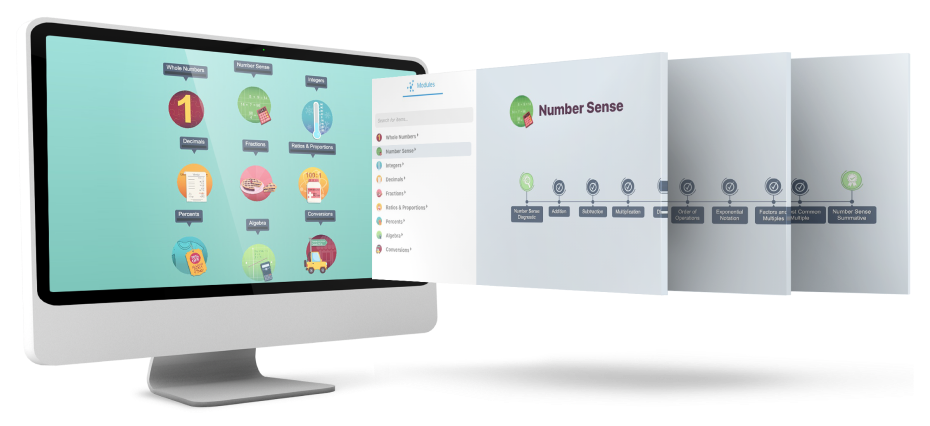
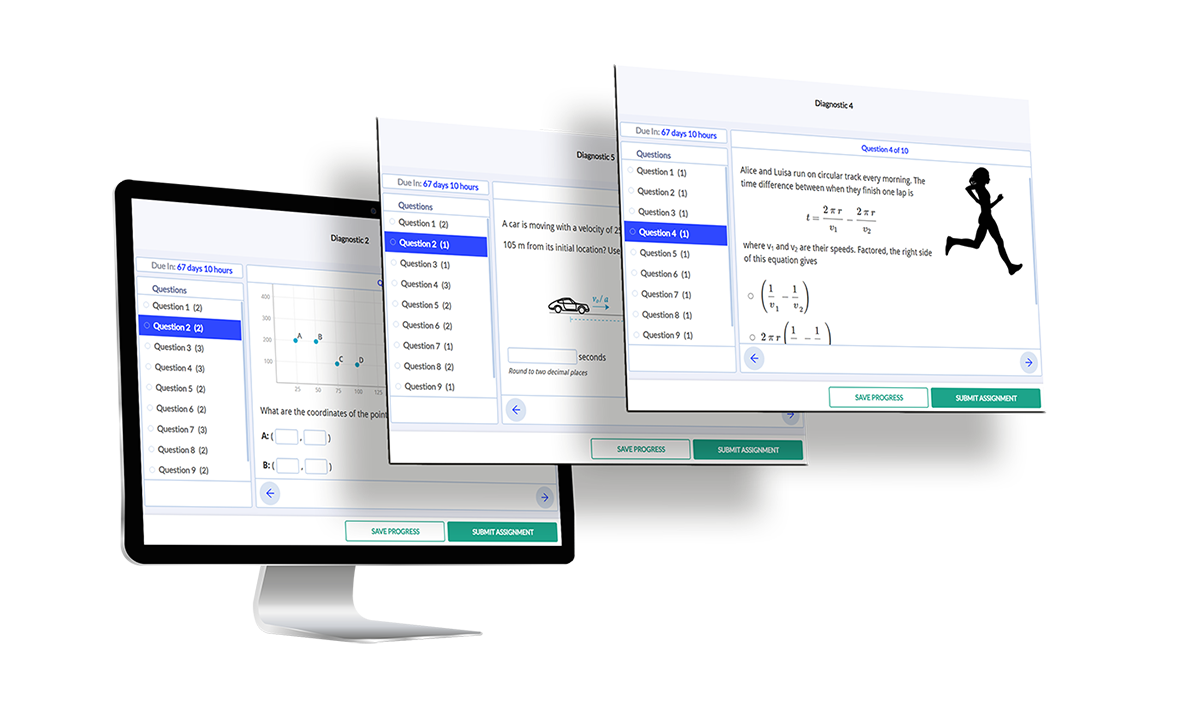
ALSM provides a math placement assessment for colleges that combines diagnostic assessment, interactive upgrading and summative assessment. This college math placement testing flow identifies math skills, guides upgrading and supports placement into an appropriate math course.
In post-admission settings, an online math placement test can be completed in a proctored face-to-face or online environment. Keep placement decisions with the institution; do not add score, cut-score, admission, pricing or implementation claims.
Through the research conducted by the CSAP, a custom framework was developed as the foundation for both the assessment items and the remedial modules. The framework comprises of two equally important dimensions which form the basis for test item validity analysis:
Content Topics and Sub-topics
To ensure that the Assessment for Learning program is custom tailored for the specific requirement of the math course, mathematical topics and sub-topics are identified to form the content dimension of the assessment framework. The framework can be expanded or adapted to suit the needs of a particular college or program to include modules which focus specifically on concepts for business, technology, or programs such as health, and the skilled trades, including topics such as geometry and trigonometry.
The framework formed the basis for classifying assessment items which had been submitted by college faculty, eliminating duplicates, enhancing quality, and the filling of blank cells in the matrix through creating new items as required.
Item Types
Both constructed response (written) and selected response (multiple choice) items are included. The former provides a more reliable estimate of student ability than the latter because guessing is eliminated and the use of a computerized format enables a range of acceptable responses to be established for each item.
Language
The item database was fully translated/adapted into French from its original English format.
Variants
Variants of many items were developed by Harris Learning Solutions proprietary algorithm and then selected on the basis of realism and ease of computation and (after field testing) their psychometric properties.
The items were then pre-tested in secondary schools, in which every item was responded to by between 20 and 100 students and the results given detailed psychometric analysis using both classical and IRT (item response theory) methods. At the same time, each item was reviewed both by the teachers whose classes were used for pre-testing, by the CSAP advisory committee, by officials at EQAO and at the Ministry of Education.
Following these analyses, each item was either eliminated, modified or retained unchanged. This item database was then used as the basis for field trials of the overall assessments.
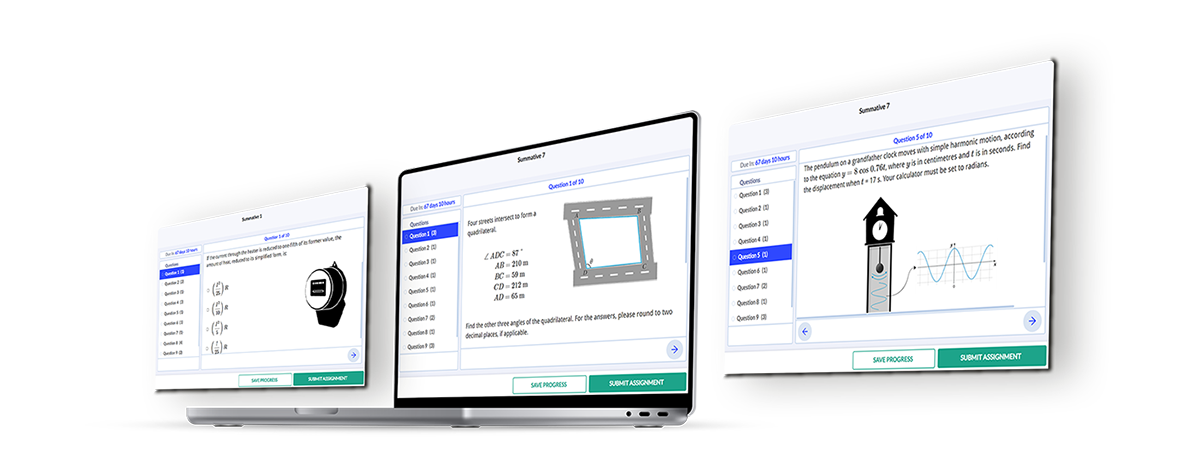
It is critically important to note that the ALSM is more than just the test item and remedial module database itself. Of equal importance is the test design whereby the items are combined into individual tests. This design ensures that all tests are:
Unique for every test taker;
equally representative of both content and performance expectation dimensions of the assessment framework;
long enough (i.e. a sufficient number of test items) to enable reliable estimates of test takers’ abilities but short enough to complete in a reasonable length of time.
Read more on the test design here.
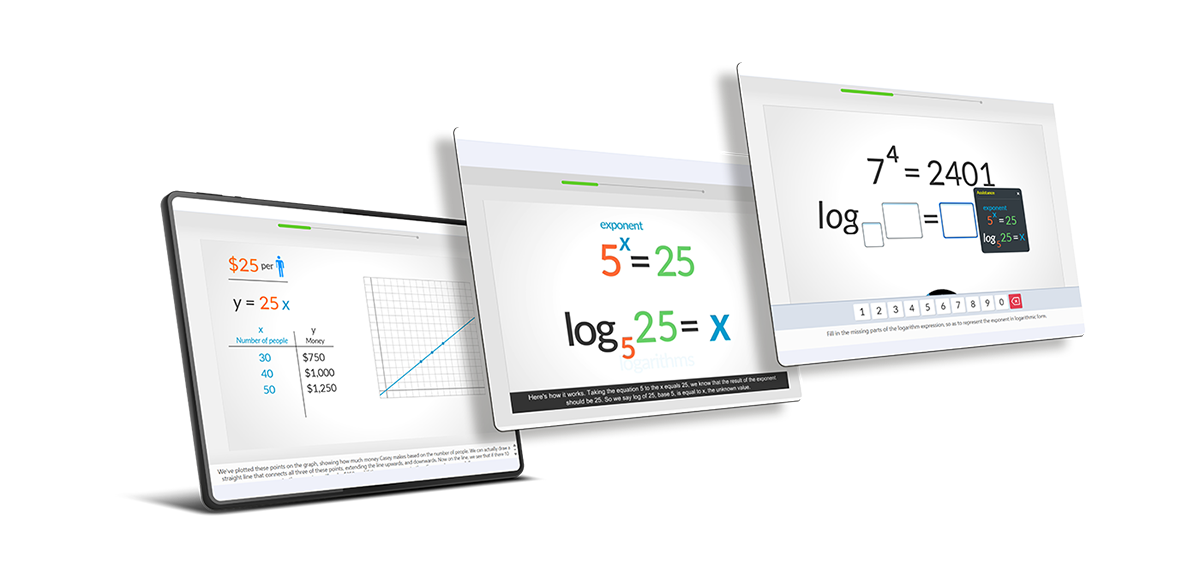
The interactive, voice-enabled remedial modules have been customized and aligned to the learning objectives of the framework. They provide students with the following learning experiences:
Mastery-based Learning
Topics are broken down to micro-steps for students to visualize and conceptualize and engage with mathematics.
Various types of interactive practice scenarios with feedback mechanisms help students master concepts.
Individualized Learning
Students can progress through the modules and master concepts at their own pace. Differentiated Learning Provides teachers with the ability to use the modules in class, or assign them as homework, to enrich the learning experience.